The way someone learns to garden matters as much as what they learn. Bibronto is built on a specific philosophy about how horticultural knowledge translates into real growing confidence.
Most horticultural knowledge is written for ideal conditions that rarely exist in practice. A textbook might tell you to sow tomatoes in a heated greenhouse at 18 degrees, which is useful if you have a heated greenhouse. Most British gardeners do not.
The Bibronto approach starts from where growers actually are. Lessons are anchored in realistic scenarios, using equipment and inputs that are genuinely accessible. The emphasis is always on understanding why something works, not just memorising when to do it.
When you understand why companion planting with basil can deter aphids from tomatoes, you can apply that principle in new situations. That kind of transferable knowledge is what the programme is designed to build.
Every lesson is calibrated to British weather patterns and growing seasons. The UK has a distinct climate with meaningful regional variation, from the milder south-west to the cooler north. Lessons acknowledge these differences and provide guidance that is relevant across the country, not just in one idealized location.
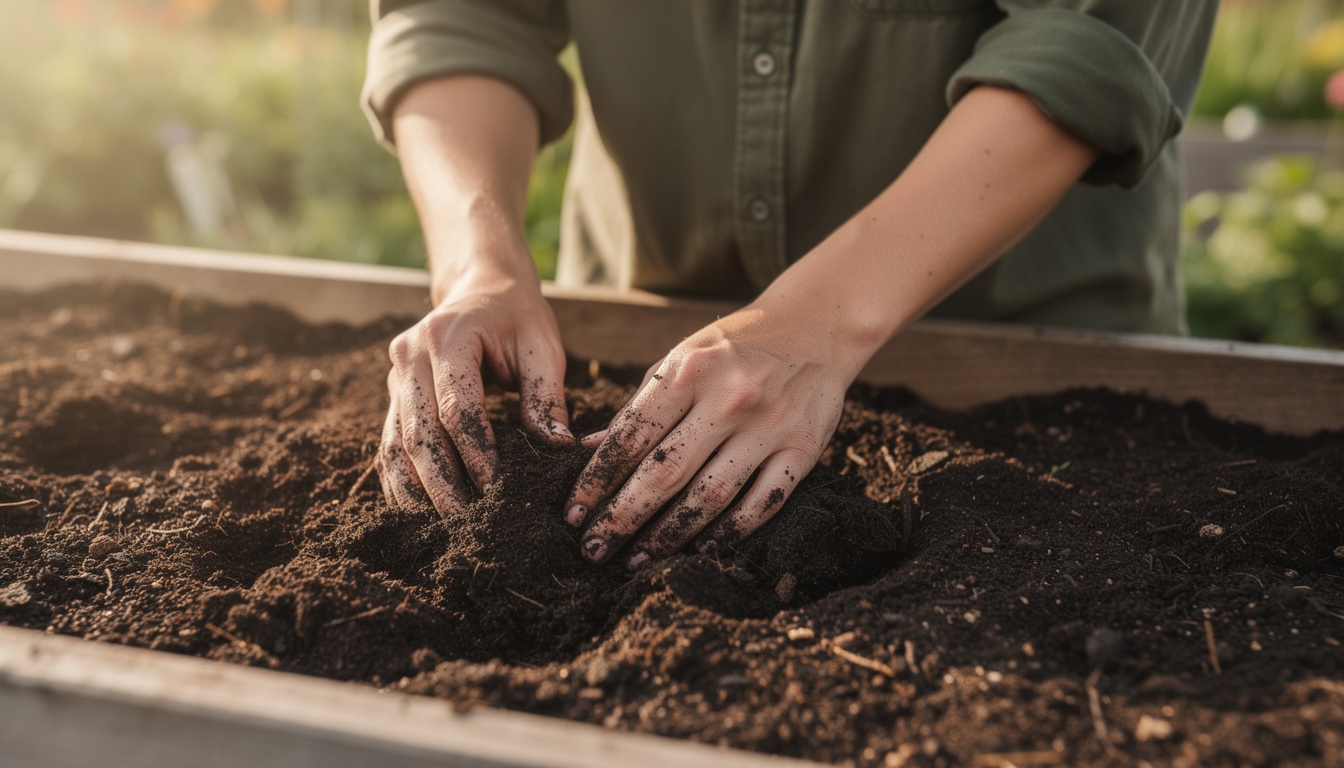
Skills build on each other in a deliberate sequence. A learner who understands soil structure will find composting lessons more meaningful. A grower who has practised direct sowing will find transplanting techniques easier to grasp. The programme is sequenced to make each new lesson feel like a natural next step, not an isolated topic.
Chemical inputs create dependency and can damage the soil ecosystems that make productive growing possible. The programme takes an organic approach not as an ideological position but as a practical one: organic methods produce sustainable results and develop a deeper understanding of how growing systems function. Every pest control and soil improvement technique taught here works within natural cycles.
A lesson about growing courgettes reads differently depending on whether you are growing in a 60-litre container on a balcony or in open ground on an allotment. The programme distinguishes between space types and provides guidance that is specific to each situation, rather than presenting one approach and expecting learners to adapt it themselves.
Horticultural language can be genuinely useful once you understand it. Until then, it is a barrier. Every technical term used in Bibronto lessons is explained clearly the first time it appears. Growers who complete the programme will have a working vocabulary that helps them engage with other gardening resources, but they will never be left behind by unexplained terminology.
The programme is not designed for professional horticulturists or people seeking academic qualifications. It is for people who have a space, a desire to grow their own vegetables, and want a structured way to develop that ability.
This includes people who have tried growing before and found it confusing or discouraging. It includes those who have just taken on an allotment and are not sure where to start. It includes flat-dwellers who have discovered that a south-facing balcony can support a surprising amount of food production.
The common thread is an interest in growing food in a British context, with real constraints of time, space, and experience.
No previous experience is assumed. Lessons start with foundational concepts and build progressively.
If you have grown before but want a more structured approach, the programme provides frameworks that help things click into place.
Specific content for container growing, balcony spaces, and small urban plots that is rarely addressed in conventional gardening guides.
Plot management, crop rotation, and planning lessons for those working with larger growing spaces throughout the year.
