A practical month-by-month reference for vegetable growers in British gardens, allotments and balcony spaces. Use this alongside the full programme lessons for context and detail.
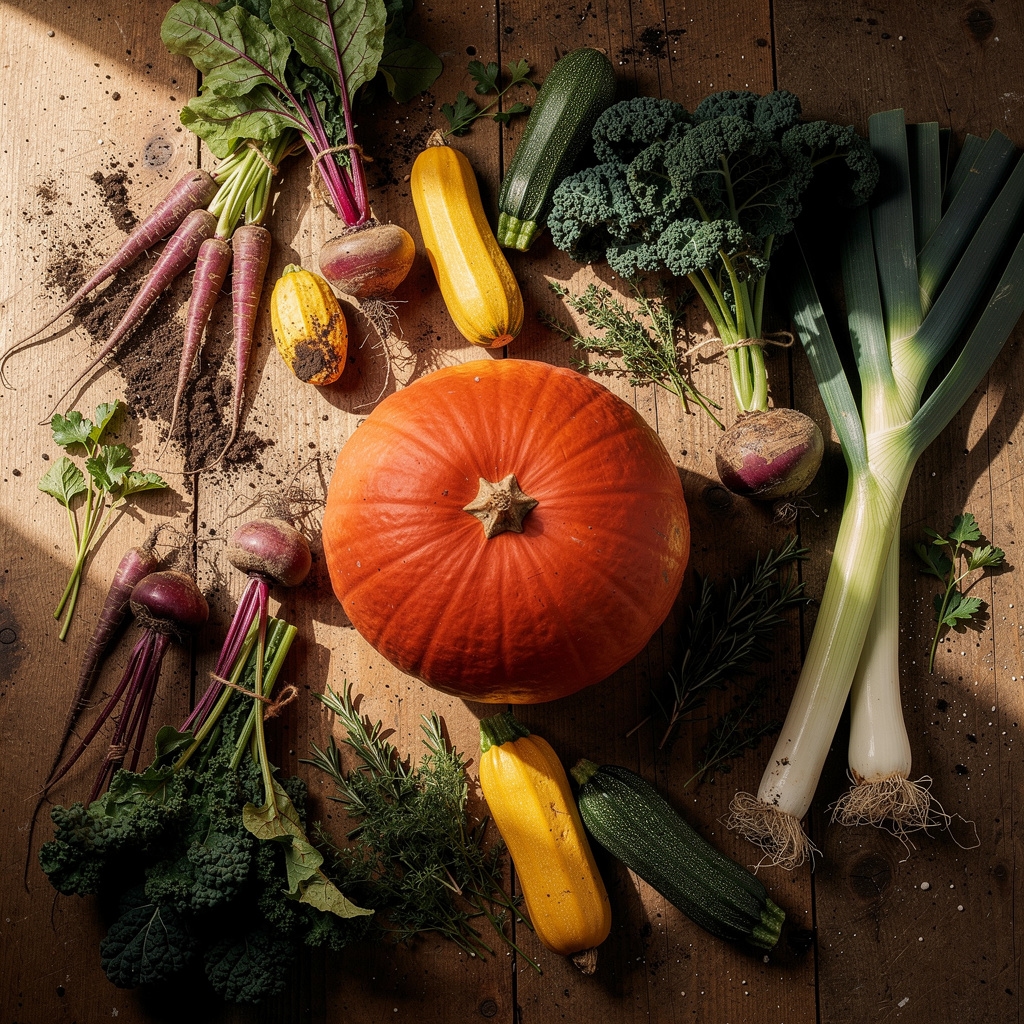
The quietest time in the garden is actually one of the most productive for planning. Winter is when experienced growers make decisions that shape the entire growing year.
Review last year's growing notes. Decide on crop rotation. Order seeds from catalogues. Plan bed layouts and space allocation for the coming year.
Add compost or well-rotted manure to beds. Allow it to work in over winter. Avoid working soil when it is frozen or waterlogged.
Broad beans can be sown under cover in late January. Chillies and aubergines benefit from early indoor sowing in heated propagators from late February.
Clean and oil tools. Check stored crops for rot. Maintain compost heaps by turning if accessible. Protect brassicas from pigeons with netting.
Spring is the most active period in the growing calendar. Sowing windows open rapidly and the pace of work increases significantly from March onwards.
Tomatoes, peppers, cucumbers, courgettes, squash, leeks, celery, celeriac. Start in seed trays or modules under cover with good light.
From mid-March: peas, spinach, radishes, lettuce, spring onions, beetroot. From late April: French beans, runner beans, sweetcorn in warmer regions.
Slugs become active as temperatures rise. Begin monitoring for aphids on broad beans. Set up physical barriers for brassica seedlings.
Rake seedbeds to a fine tilth once soil is workable. Add blood, fish and bone to planting areas. Warm soil under cloches before direct sowing.
The main harvest season, but also the busiest time for ongoing management. Watering, feeding, pest control, and succession sowing all run simultaneously.
Water deeply and less frequently rather than lightly and often. Prioritise tomatoes, cucumbers, and containers. Water at the base of plants in the morning.
Courgettes, French beans, peas, salad leaves, early potatoes, garlic, onions, and soft fruit. Harvest regularly to encourage continued production.
Continue sowing salad leaves, radishes, and spring onions every two to three weeks. Sow autumn brassicas in July for September planting out.
Monitor for blight on tomatoes and potatoes. Use copper tape, wool pellets, or nematodes for slug control. Check brassicas for caterpillars weekly.
Autumn is a season of finishing and preparing. Final harvests, plot clearance, and the first soil improvements for next year all happen in a concentrated window.
Lift maincrop potatoes before the first hard frost. Harvest squash and pumpkins when the stem starts to crack. Dig up root vegetables for storage.
Clear spent crops and add to compost heap. Layer green and brown material. Leave roots of legumes in the ground to release nitrogen.
Plant garlic from October onwards. Sow green manures on cleared beds. Protect winter salads under cloches. Plant out spring cabbages.
Note what worked well and what did not. Record which varieties performed, pest pressure levels, and any changes to make next year. This information is invaluable in winter planning.
The most widespread pest in British gardens. Most active in wet conditions and at night.
Blackfly on broad beans and whitefly on brassicas are the most common forms. Weaken plants and spread disease.
Lay eggs on brassica leaves from late spring. Caterpillars can devastate plants rapidly if unchecked.
Grubs damage roots of container plants, particularly strawberries and herbs. Adults notch leaf edges.
